


Are Period Pain Relief Patches Safe for Teens?
If you’re a teen dealing with period cramps or a parent trying to help: period pain relief patches might sound interesting but also raise questions. Are they safe? Do they use medicine? Should teens really be using them?
Let’s break it down in a clear, calm, no-hype way.
What Are Period Pain Relief Patches?
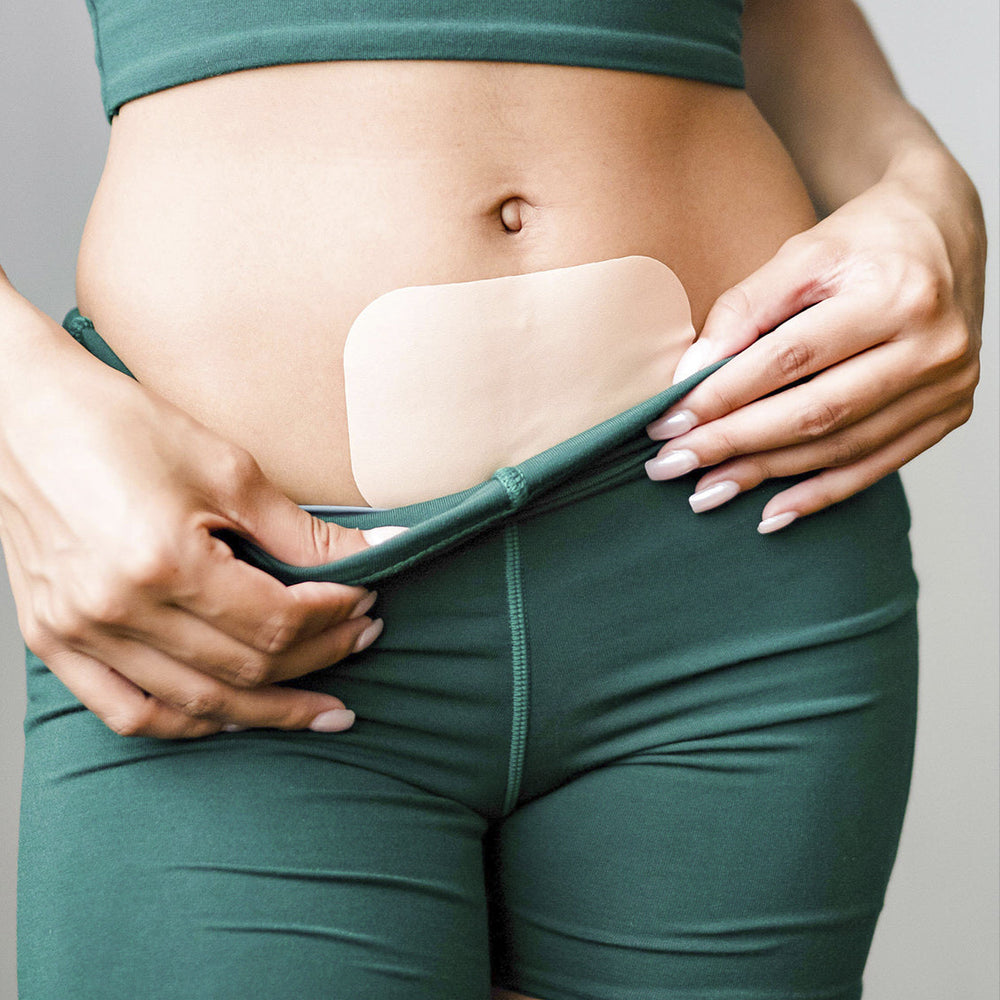
Period pain relief patches are thin, stick-on patches worn on the lower abdomen (or sometimes the lower back). They’re designed to help ease menstrual cramps without pills.
Most patches work by:
-
Providing gentle heat or
-
Releasing soothing ingredients through the skin
They’re discreet, wearable under clothes, and made for everyday movement, school, activities, or rest.
Drug-Free: What That Actually Means
A big reason teens (and parents) like period pain patches is that many are drug-free.
That means:
❌ No ibuprofen or acetaminophen
❌ No hormones
❌ No pills entering the stomach or bloodstream
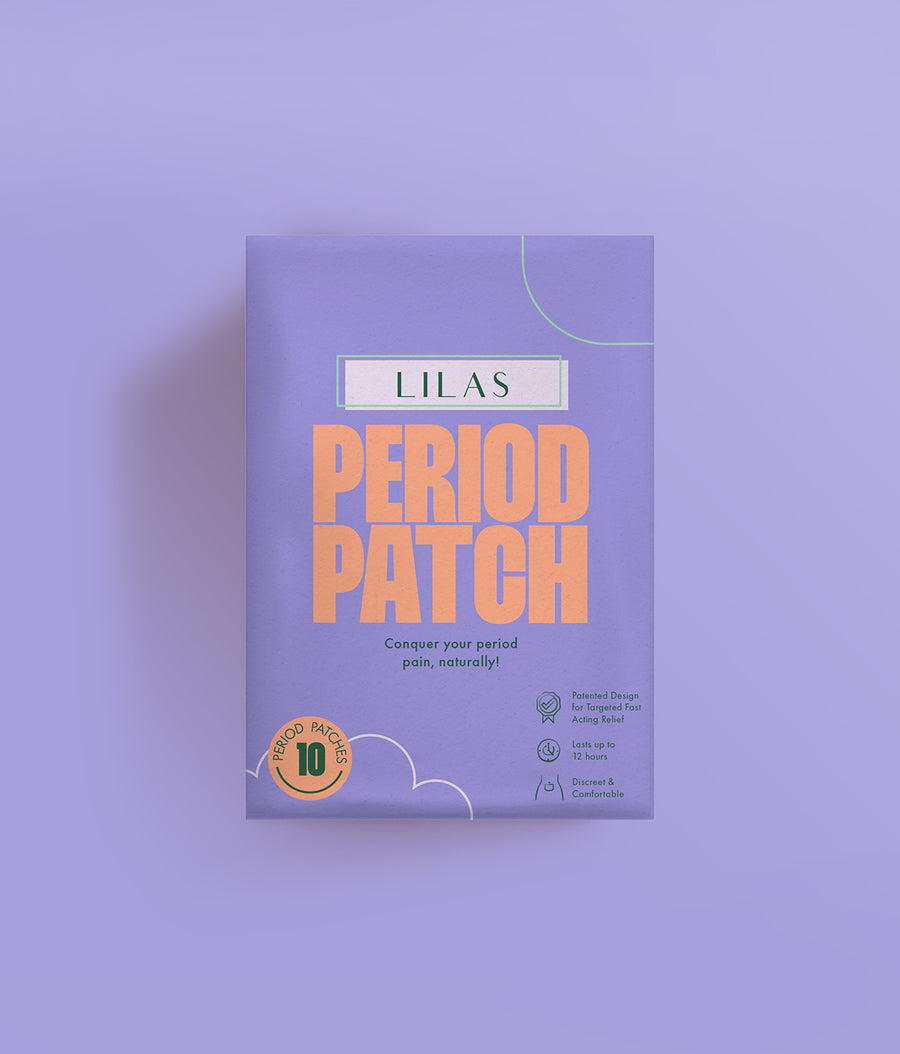
Instead, patches like LILAS period patches use topical ingredients such as menthol and eucalyptus to help relax muscles and provide a cooling and long-lasting pain relief.
Because they’re external and non-oral, they don’t cause common medication side effects like stomach irritation or drowsiness.
Are They Safe for Teens?
For most teens, yes: when used as directed.
Period pain patches are generally considered low-risk because:
-
They’re worn on the skin, not swallowed
-
They’re non-invasive
-
They don’t affect hormones
-
They can be removed at any time
That said, teens should always:
-
Follow the instructions on the package
-
Avoid broken or irritated skin
-
Stop use if skin sensitivity occurs
If a teen has very sensitive skin or allergies, it’s smart to test a small area first.
Reassurance for Parents
If you’re a parent wondering whether period pain patches are appropriate, here’s the key takeaway:
✔ They’re not medication
✔ They don’t interfere with growth or development
✔ They don’t create dependency
✔ They encourage body awareness and self-care
Many parents prefer starting with drug-free options like patches before considering painkillers; especially for younger teens just starting their periods.
When Should a Teen Talk to a Doctor?
While cramps are common, severe or disruptive pain isn’t something to ignore.
A doctor visit is a good idea if:
-
Pain regularly causes missed school
-
Cramps don’t improve with rest or patches
-
Periods are extremely heavy or last unusually long
-
Pain suddenly gets much worse over time
Pain patches can be part of a comfort routine but they shouldn’t replace medical advice when symptoms feel extreme or unusual.
The Bottom Line
Period pain patches can be a safe, drug-free option for teens who want discreet relief especially at school or on busy days.
They’re:
✨ Easy to use
✨ Worn under clothes
✨ Non-oral and non-hormonal
✨ A gentle first step for managing cramps
As always, listening to your body (and talking openly with a parent or doctor when needed) matters most 💛
Leave a comment